When a travel agency selects passenger transport in Portugal, the choice reaches far beyond seat count and daily rate. It shapes the client’s first impression at the airport, the punctuality of every hotel movement, and the agency’s ability to keep a programme running when timings tighten.
That matters even more in a market with sustained visitor volume. Portugal recorded 31.6 million guests and 80.4 million overnight stays in 2024, alongside tourism revenues of €27.7 billion. With demand at that scale, agencies need transport partners that fit the legal framework and the practical reality of group operations.
Travel agency transport in Portugal is a core service, not an add-on
Official guidance from Turismo de Portugal makes this very clear. Travel and tourism agencies in Portugal may organise and sell package travel, book services in tourism businesses and local accommodation, sell tickets and reserve seats in any means of transport, and handle tourist welcoming, transfer and assistance.
That changes the buying conversation.
Transport is not a side task tucked in at the end of itinerary planning. It is part of the agency’s recognised activity, which means procurement should be approached with the same discipline used for accommodation contracts, guided services, or ticketed visits.
For agencies working with inbound groups, the transport file often carries some of the most visible service risk. A hotel can forgive a late room handover more easily than a group will forgive a missed pickup, poor luggage handling, or a vehicle that is too small for the route pattern. Choosing well means looking at compliance first, then operational fit.
RNAVT, FGTV and liability insurance in travel agency transport Portugal
Any agency carrying out travel and tourism activities in Portugal must deal with the formal requirements that sit behind the sales process. Turismo de Portugal states that agencies need registration in RNAVT, subscription to FGTV, and liability insurance covering risks linked to the activity. The same official page states a €750 RNAVT registration fee.
For agencies being set up locally, the process also depends on the company being based in Portugal and registered through the National Tourism Registry portal. Once the application is approved and payment is made, the system issues an RNAVT number.
These points may feel administrative, yet they matter directly when transport is being sold as part of the agency service. If the agency is packaging transfers, reserving seats, or arranging assistance, the legal basis for that work must be in place.
A practical compliance check usually covers the following:
- RNAVT: confirm that the agency is properly registered for travel and tourism activity in Portugal
- FGTV: check that the required subscription is active
- Liability insurance: verify that civil liability cover applies to the agency’s activity
- Company status: make sure the business is established in Portugal where that registration path is being used
Passenger-transport licensing and the more-than-nine-seats rule
One of the most useful decision points for agencies is the licensing threshold linked to vehicle size. According to IMT, travel agencies and tourism animation companies registered with Turismo de Portugal only need an IMT passenger-transport licence for public passenger transport by road if the vehicles used have more than nine seats.
That means vehicle choice is not only a capacity question. It can also affect the licensing picture.
A minivan-style solution for a small executive transfer may sit in a different regulatory position from a coach move for a school, event, or cruise group. Agencies therefore need to ask not only, “How many people are travelling?” but also, “What licence framework applies to the transport being used for this job?”
This is where many buying decisions become sharper. A 16-seat vehicle and a 53-seat coach may both solve a transfer need, yet they do not carry the same implications. The practical takeaway is simple: if the operation uses vehicles with more than nine seats, licensing on the transport side should be checked early, not after the programme is already sold.
Vehicle size matters, but transfer fit matters more
Many group bookings are still matched to transport in a very basic way: ten people, book a vehicle for ten; forty people, book a coach for forty. In practice, agencies get better results when they look at the full movement pattern.
A short airport transfer with light baggage is one thing. A multi-stop arrival with delayed flights, heavy luggage, rooming lists, and hotel checks is another. The best vehicle choice often comes from the transfer design, not from the headcount alone.
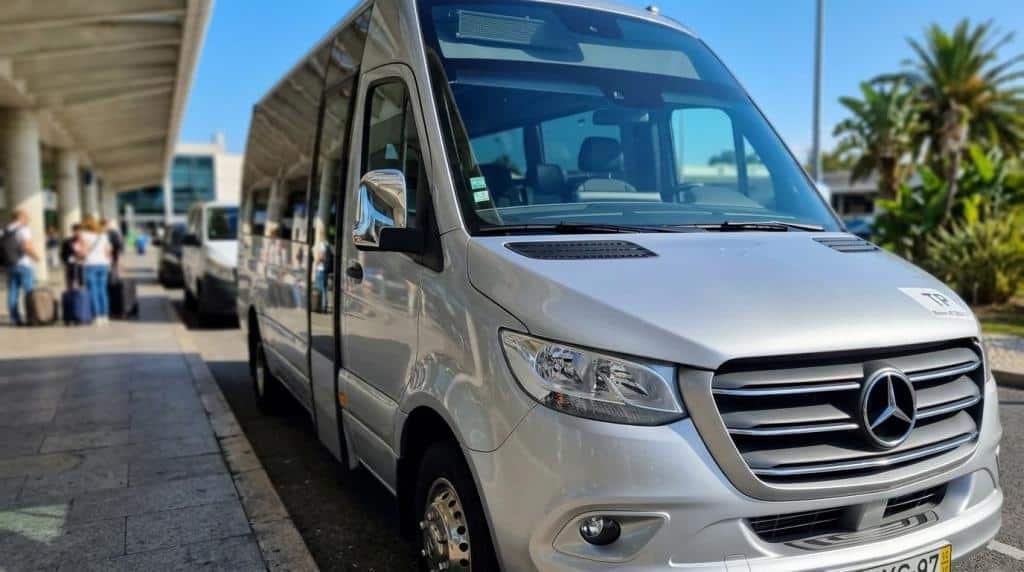
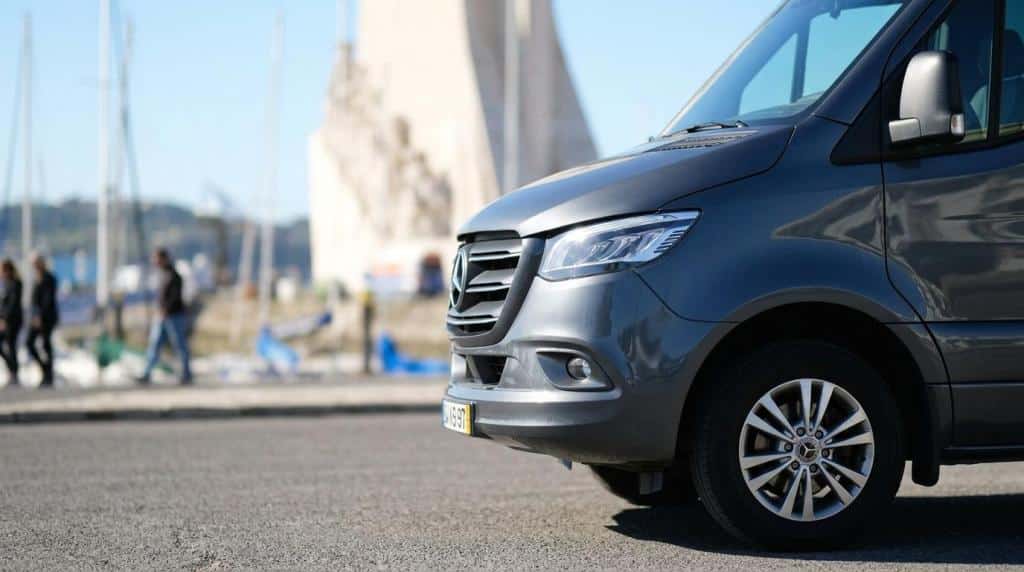
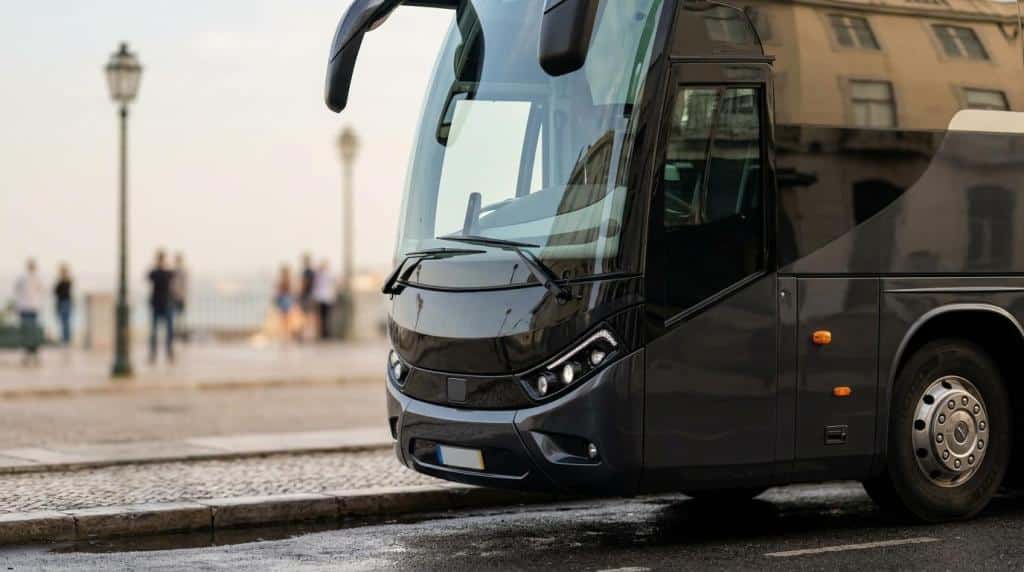
Operators focused on group tourism tend to structure their offer around these realities. Aerocoope, a Lisbon-based bus and minibus company, presents a fleet ranging from 8 to 53 seats, serving groups across Portugal and on routes to trips to Spain. That kind of spread helps agencies match transport to programme shape rather than forcing every job into one fleet category.
The table below shows how agencies often frame the decision.
| Booking pattern | Likely fleet fit | Why it suits the job | Key check |
|---|---|---|---|
| Airport arrival for a small private party | 8-seat vehicle | Fast handling, simpler boarding, suited to lighter baggage loads | Confirm the service brief covers luggage and arrival assistance |
| Hotel shuttle for a mid-size leisure group | 16 to 19 seats | Good balance between manoeuvrability and group cohesion | Check boarding points, hotel access, and waiting time |
| Day tour with a standard touring group | 27 to 37 seats | Comfortable for regional touring and easier to fill efficiently | Review route length, stop pattern, and timing windows |
| Congress, school, or event movement | 43 to 55 seats | Higher capacity reduces split operations | Confirm pickup sequencing and crowd-flow management |
| Cross-border group route to Spain | Mid to full-size coach, depending on group size | Better for longer mileage and larger touring parties | Verify the operator is set up for the planned service type and route pattern |
The right match is often the one that reduces friction: fewer split loads, fewer boarding delays, and fewer surprises on the day.
What travel agencies ask transport partners before they confirm a booking
The strongest agency buyers tend to ask short, disciplined questions. They are not trying to make the quote more complicated. They are trying to remove assumptions before those assumptions become service failures.
A transport partner should be able to explain, in straightforward terms, whether the proposed vehicle suits the route, the group profile, and the legal conditions around the service. This is especially useful when the booking includes both transfer work and touring.
Good agency questions often include:
- licence position for the proposed vehicle
- actual seat count and luggage practicality
- waiting time assumptions
- driver and vehicle availability on the date
- geographic coverage in Portugal and, where needed, Spain
Another useful part of the conversation is price structure. Group transport is commonly priced mainly around service time and distance, rather than by seat count alone. That gives agencies a better way to compare quotes. A cheaper headline rate may lose its appeal if the programme includes dead mileage, long standby periods, or multiple pickups that were never priced properly.
Group types change the transport brief
Not all groups behave in the same way, even at the same size. Twenty corporate guests arriving on one flight do not need the same transport setup as twenty students with equipment cases, or twenty leisure travellers starting a week-long tour.
That is why agency briefs work best when they describe the group, not only the route.
A few examples make the point clearer:
- Leisure groups: often need airport reception, hotel transfer coordination, and touring comfort across several days
- Corporate groups: usually prioritise punctuality, direct routing, and clean timing between venues
- School groups: may need stricter boarding control, simpler stop planning, and larger luggage allowances
- Event and sports groups: frequently bring equipment, irregular schedules, or late-night returns
Aerocoope’s public offer reflects this type of grouped thinking. It focuses on bus and minibus rental with driver, private charters, group tours, and customised programmes, all of which suit agencies that sell more than a single transfer. For agencies, that breadth can be more valuable than one very cheap vehicle category, because demand often shifts from small arrivals to full touring work within the same client account.
Why nationwide Portugal service and Spain routes matter to agencies
A travel agency transport plan in Portugal often starts in Lisbon, Porto, or Faro, then becomes much broader. Programmes may include Alentejo wineries, Douro touring, pilgrim routes, business events in secondary cities, or onward travel into Spain.
A supplier built only for one city transfer pattern may struggle when the programme expands. Agencies tend to prefer operators that can support nationwide work without changing service standard halfway through the itinerary.
This is one reason fleet range and route reach matter so much in agency procurement. Aerocoope states that it serves Portugal nationwide and also operates trips to Spain, with a history in crew transport and tourism stretching back to 1975 and national and international passenger-transport licences obtained in the early 2000s. For an agency buyer, that kind of background signals familiarity with recurring group movements, not just occasional ad hoc hires.
When the itinerary crosses borders or combines airports, hotels, tours, and event venues, consistency becomes part of value. A stable operating model saves time for the agency team and gives clients a more dependable experience.
A stronger transport brief leads to better quotes
One of the simplest ways agencies improve transport buying is by sending clearer briefs. The brief does not need to be long. It needs to be exact about the points that change delivery.
A good brief usually covers:
- Passenger profile: leisure, corporate, student, crew, event, or mixed
- Movement pattern: one-way transfer, shuttle, disposal, touring, or multi-day itinerary
- Group details: final headcount, expected luggage volume, and any mobility needs
- Timing: flight details, service duration, key deadlines, and whether delays are likely
- Geography: all pickup and drop-off points, including any Portugal to Spain legs
When agencies provide that level of detail, transport partners can quote more accurately, assign the right vehicle more confidently, and flag regulatory or operational issues before the programme is on sale. That is usually where strong transport planning begins: not with the vehicle itself, but with a precise view of the service the group actually needs.
As a practical example, MontBlanc Adventure’s explainer on luggage transfers for walking holidays shows how specifying bag volumes, pickup windows and overnight routing upfront prevents downstream friction.