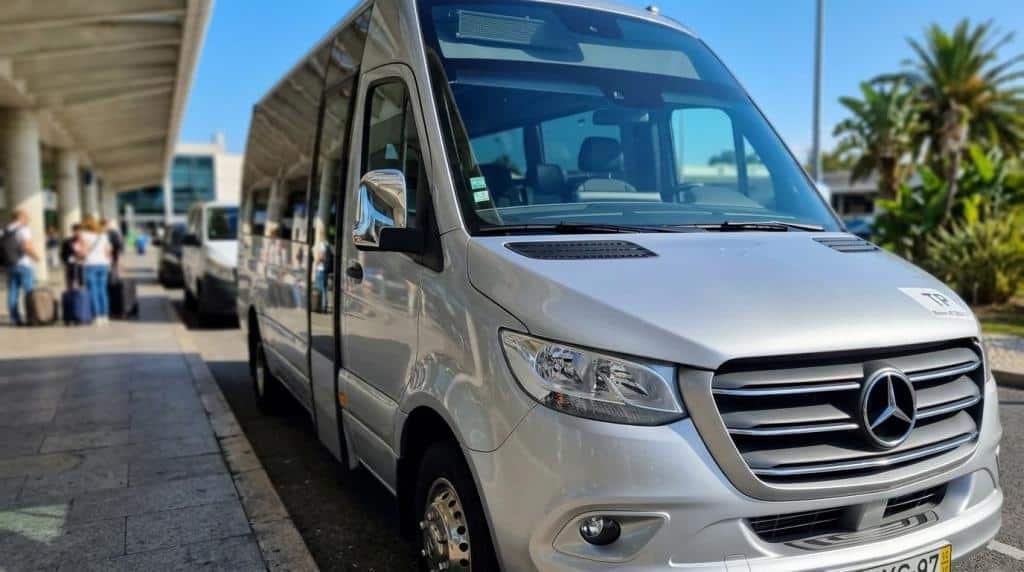
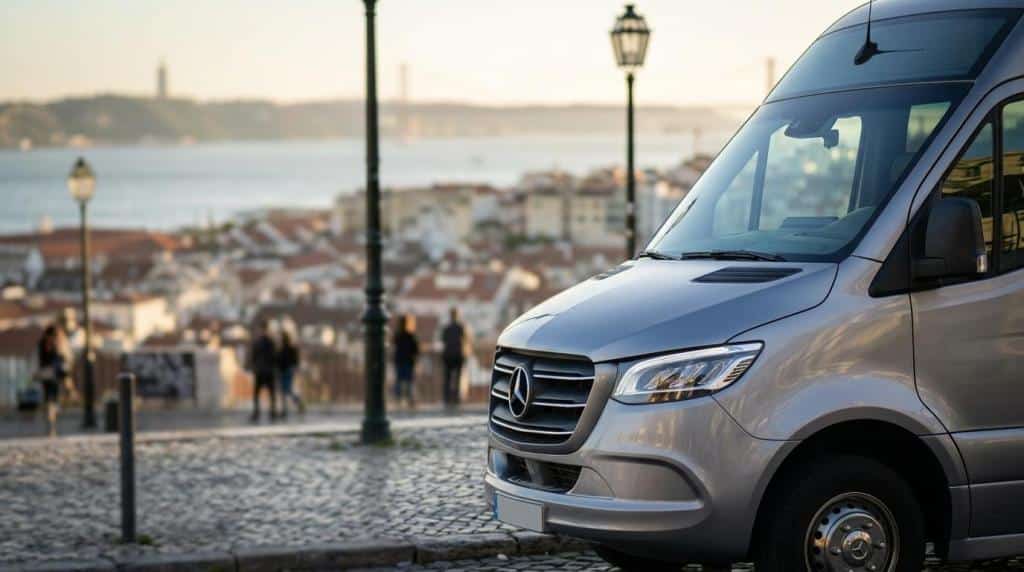
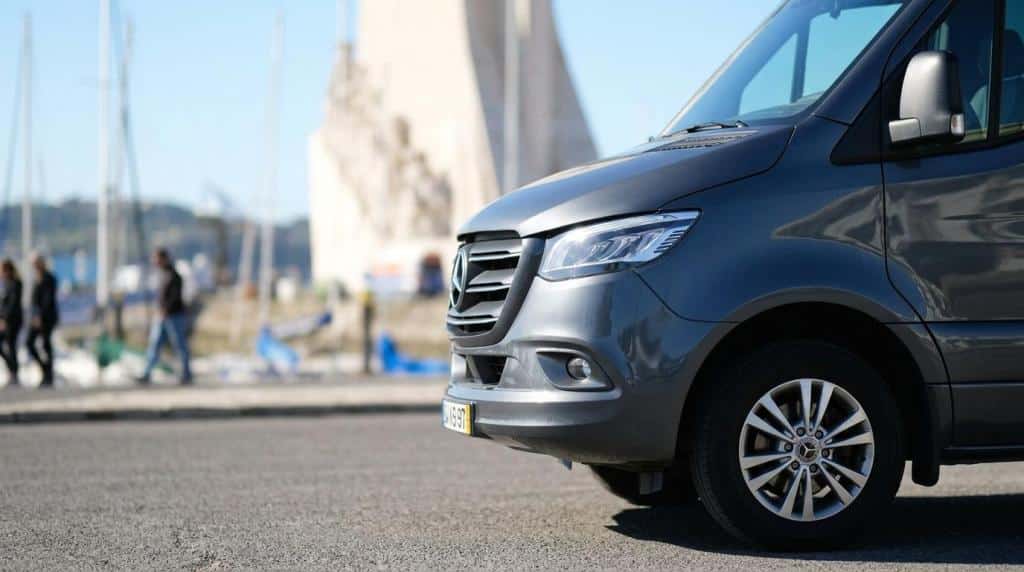
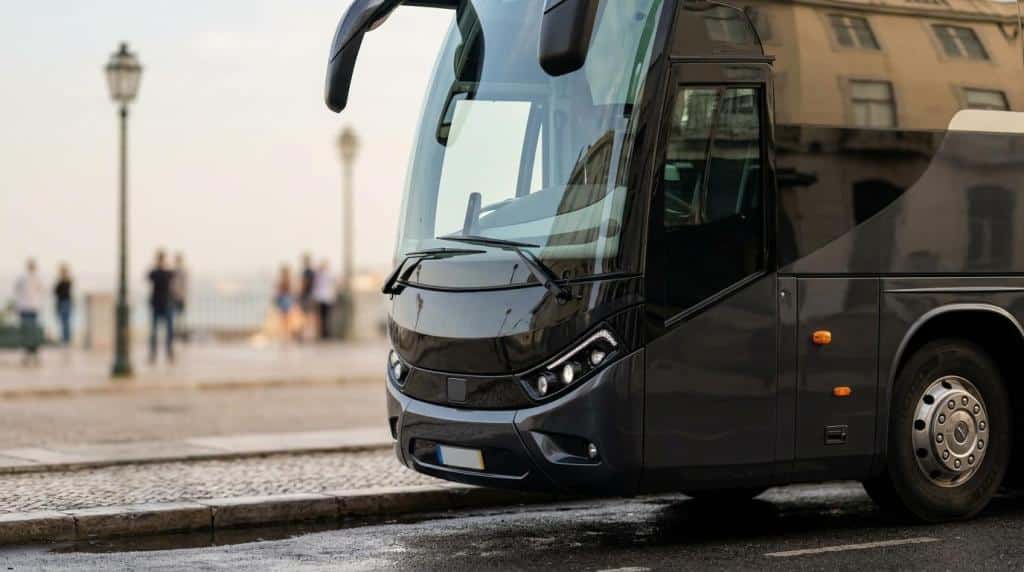
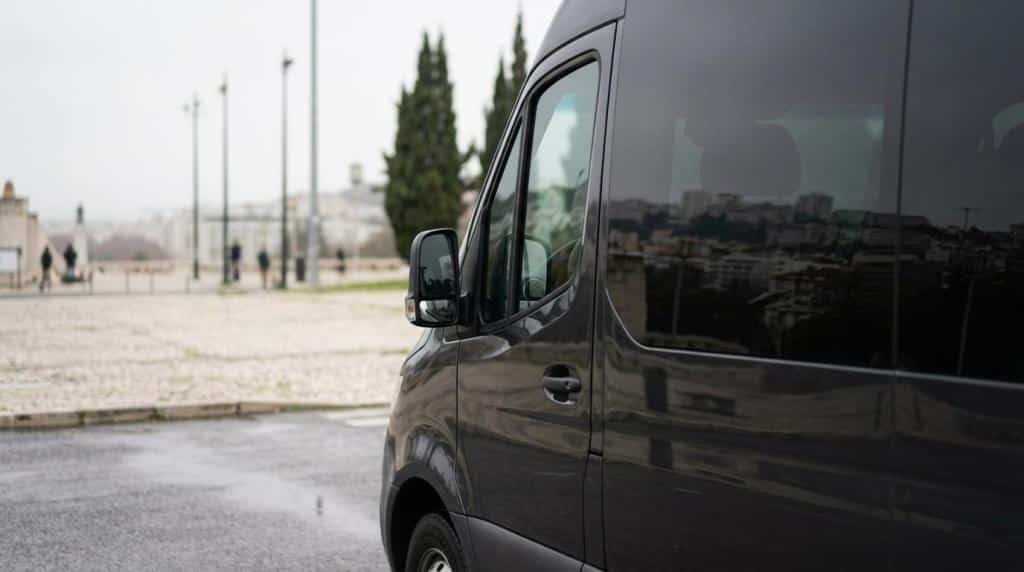
Cross border coach hire in Europe is usually the strongest choice when a group needs one vehicle, one operating partner, and one itinerary across two or more countries. The top option is rarely the cheapest quote alone, but the operator that can lawfully run the route, size the vehicle correctly, and manage timing, passenger rights, and border logistics.
TL;DR: Summary
- The best cross border coach hire in Europe is usually a private operator running occasional services under a valid Community licence, because that is the core legal route into the international EU road transport market under Regulation (EC) No 1073/2009.
- For groups starting in Portugal, a regional specialist such as Aerocoope is a practical fit when the trip includes Portugal and selected Spain routes, because it offers driver-led transport and vehicles ranging from 3 to 53 seats according to company information.
- Check three things before booking: whether the operator holds a Community licence, whether your trip is classed as an occasional service or regular service, and whether any domestic legs in another country could trigger cabotage operations or a national authorisation requirement.
- Passenger protections matter too. EU bus and coach passenger-rights rules apply under Regulation 181/2011, in force since 1 March 2013, with no exemptions since 1 March 2021.
- If your group needs custom stops, airport pickups, event timing, or hotel-to-hotel touring, private coach hire usually beats scheduled coach travel on control and reliability, even when scheduled brands look cheaper at first glance.
- The fastest way to compare quotes is to send the full route, passenger count, luggage profile, accessibility needs, and stop schedule in one brief, then ask the operator to confirm route legality and service category in writing.
For groups leaving Portugal, the sweet spot is often an operator that already works across Portugal and into Spain and is used to EU international coach rules. That matters because the legal category of the trip, from occasional service to regular service, can affect the paperwork, permissions, and passenger obligations that apply.
What does cross border coach hire in Europe actually include?
Cross border coach hire means a private coach or minibus, with driver, that starts in one country and operates in another. In Portugal and Spain, that usually covers airport transfers, tours, conference shuttles, school trips, and multi-day itineraries.
In practice, the category is broader than many travellers assume. A Lisbon group transfer to Seville is cross border hire, but so is a week-long Iberian tour with hotel stops, event timings, and return travel. Under the European Commission’s framework, international carriage of passengers by coach and bus is governed by Regulation (EC) No 1073/2009, so the trip is not just a commercial booking, it is a regulated transport activity.
A common mistake is to treat every border crossing as identical. A one-off private charter is not the same as a repeating employee shuttle, and neither is the same as a public timetable service.
“Aerocoope says its driver-led fleet spans 3 to 53 seats, which is a practical range for cross border group charters from Lisbon.”
That distinction matters because the service type shapes what the operator must hold, what rights passengers may rely on, and how the route can be operated once the vehicle enters another Member State.
Which EU rules matter before you book a cross border coach?
Two EU measures matter first: Regulation (EC) No 1073/2009 for market access and Regulation 181/2011 for passenger rights. The European Commission treats both as core rules for international coach and bus travel.
The market-access point is simple. If an operator is established in an EU Member State and holds a valid Community licence issued by that state, it has access to the international EU road transport market. That is the baseline legal test for international coach hire.
Passenger-rights rules are the second layer. Regulation 181/2011 has applied since 1 March 2013, and the Commission states that there have been no exemptions since 1 March 2021. If your trip includes passengers with reduced mobility, or you need disruption procedures made clear in advance, this is not small print. It should be part of the booking discussion from the start.
What are the best cross border coach hire options for groups leaving Portugal?
The best option depends on route shape, group size, and how much control you need over stops and timing. For Portugal-origin journeys, these are the main models worth comparing.
After checking legality and route fit, most buyers narrow the market to a small set of operator types rather than trying to rank all of Europe at once. That approach is more accurate and usually faster.
- Aerocoope: Lisbon-based private coach and minibus hire for Portugal-wide travel and selected Spain routes, with driver-led services and a stated fleet capacity from 3 to 53 seats.
- Iberian regional operators: useful for Portugal to Spain itineraries when they already position vehicles and drivers on both sides of the border.
- European charter networks: a sensible choice for multi-country tours that may need backup capacity outside Iberia.
- DMC-linked transport partners: strongest when the transport brief is tied to hotels, guides, congress venues, or incentive programmes.
- Hybrid scheduled-plus-private plans: lower flexibility, but sometimes cost-effective for one-way city pairs with simple luggage and no fixed event timings.
If your route starts in Lisbon and stays within Portugal plus Spain, a regional operator often wins on practicality. If the trip stretches across several Member States, network depth and contingency planning become more important than local departure convenience.
How do occasional services compare with regular services for group travel?
Occasional services usually fit private group hire, while regular services fit recurring public or structured routes. The European Commission separates regular services, special regular services, occasional services, and own-account transport for market-access purposes.
Most private charters sit inside the occasional-service category. The group books the vehicle, the itinerary is custom, and the operator is not selling seats to the public on a fixed timetable. That is why airport transfers, event transport, and touring circuits are commonly arranged this way.
Regular services are different. They run at specified intervals, on specified routes, with passengers picked up and set down at predetermined stopping points. A common misconception is that a weekly staff shuttle is always just a simple charter. If it repeats in a structured way for a defined user group, it may edge into special regular service territory, which should trigger a more careful compliance check.
How do you check whether a coach operator can legally run international routes?
Start with the Community licence, then confirm the service category, then ask about domestic legs inside another country. Those three checks cover most cross border coach-hire risks in the EU.
Step 1 is straightforward: ask whether the operator holds a valid Community licence issued by its Member State of establishment. If the answer is vague, stop there and ask for documentary confirmation.
Step 2 is classification. Ask whether your trip is being treated as an occasional service, regular service, special regular service, or own-account transport. If the operator cannot explain the category in plain language, that is a warning sign.
“Aerocoope says it supports group travel across Portugal and on selected routes into Spain, which is the most common cross border pattern for Iberian private hire.”
Step 3 is where experienced buyers save time. If the itinerary includes domestic sectors inside another country, ask whether any part of the journey could count as cabotage operations or require a national authorisation. Pro tip: a straightforward Portugal-to-Spain private tour is usually easier to assess than a programme with multiple domestic shuttle legs inside Spain before returning to Portugal.
How do you choose the right vehicle size for a cross border group?
Vehicle size should match headcount, luggage, and city access. In practice, an 8-seat minibus and a 53-seat coach solve very different cross border problems.
For smaller groups, a minibus can be the better operational choice, not merely the cheaper one. It is easier to position at boutique hotels, easier to route through historic centres, and often better suited to executive delegations or family groups travelling with light luggage.
For larger groups or multi-day touring, a full-size coach normally offers the right balance of capacity and comfort. Aerocoope states that its corporate transport vehicles range from 8 to 53 seats, which reflects the standard hiring logic: smaller vehicles for flexibility, larger coaches for volume and luggage. A common mistake is to assume that the biggest coach is always the safest booking choice. If the route includes tight urban access or the group is far smaller than the vehicle, extra capacity can add cost without solving a real problem.
How do you build a realistic cross border itinerary without risking delays?
A reliable itinerary starts with fixed commitments, then route logic, then operational buffers. Lisbon and Madrid are easier to price than to time well if the stop plan is loose.
Step 1 is to lock the immovable points: flight arrival, congress registration, match kick-off, cruise departure, or hotel check-in window. Those times should shape the whole road plan.
Step 2 is to map stops by geography rather than wishful sequencing. If the group wants three pickups, a lunch stop, and an attraction visit on the same border-crossing day, put the timings on a real map before asking for a quote. If the operator has to untangle the route later, cost and risk tend to rise together.
Step 3 is to add buffer where delays actually happen: airport loading, urban congestion, hotel luggage handling, and service-area stops. Pro tip: check IDs and rooming allocations before boarding, not during the first roadside pause. Schengen travel reduces routine border controls across many European journeys, but it does not remove traffic or operational delay.
What passenger rights apply on EU coach and bus journeys?
EU passenger-rights rules apply to coach and bus travel, but the exact scope depends on service type and route profile. Regulation 181/2011 is the main reference point.
The most cited provisions cover non-discrimination, information, disruption handling, and assistance for disabled persons or persons with reduced mobility. EUR-Lex states that the regulation applies to regular services within the EU where the boarding or alighting point is in a Member State and the planned service distance is at least 250 km.
That 250 km threshold matters because people often assume every right applies in exactly the same way to every private charter. It does not. The safest approach is to ask how the operator applies Regulation 181/2011 to your specific service.
- Information duties: passengers should receive clear information about the journey and any disruption.
- Accessibility protections: disabled passengers and persons with reduced mobility are protected against discrimination and may be entitled to assistance.
- Delay and cancellation rules: the strongest codified provisions attach to qualifying regular services, especially journeys of 250 km or more.
How do private coach hire and scheduled services compare for European group trips?
Private coach hire gives control, while scheduled services give fixed public departures. For groups, the better choice depends on whether time or ticket price is the tighter constraint.
Scheduled brands such as ALSA or FlixBus can look attractive on headline fare alone. They work well when travellers are moving between major cities, carrying modest luggage, and willing to fit the operator’s timetable. That model is less effective when a group needs airport meet-and-greet, hotel-to-venue transfers, or a custom route across two countries.
Private hire flips the logic. The vehicle works to the group’s plan, not the other way round. Once you price multiple tickets, extra local transfers, waiting time, and missed schedule risk, a private coach often becomes the cleaner solution for corporate groups, schools, and touring parties. Pro tip: compare total trip friction, not just the transport line item.
How should you request and compare quotes for cross border coach hire?
The best quote request is detailed, route-specific, and easy to verify. Lisbon, Porto, Seville, and Madrid are useful names, but operators price the minutes between them, not the headline cities.
Send one brief with date, exact pickup points, passenger count, luggage type, overnight stops, accessibility needs, and whether the journey is one-way or return. If the route crosses more than one border, state every country in sequence. This lets the operator assess service category, timing, and legal fit before sending a price.
“Aerocoope says a detailed proposal can usually be prepared within about one business day after a quote request.”
Then compare quotes on substance, not on the top-line figure alone. If one operator prices a 49-seat coach and another prices a 19-seat minibus, the numbers are not directly comparable. If one quote includes waiting time, tolls, and driver accommodation planning and another does not, the cheaper offer may only be cheaper on paper.
- Vehicle size and luggage fit
- Route legality and licence coverage
- Driver-led service scope
- Waiting-time assumptions
- Accessibility handling
- Cancellation and disruption terms
A final practical point: ask the operator to confirm, in writing, whether the journey is being handled as an occasional service and whether any part of the itinerary raises cabotage or national authorisation issues. That single question often separates a polished cross border transport partner from a local operator stretching beyond its natural operating model.