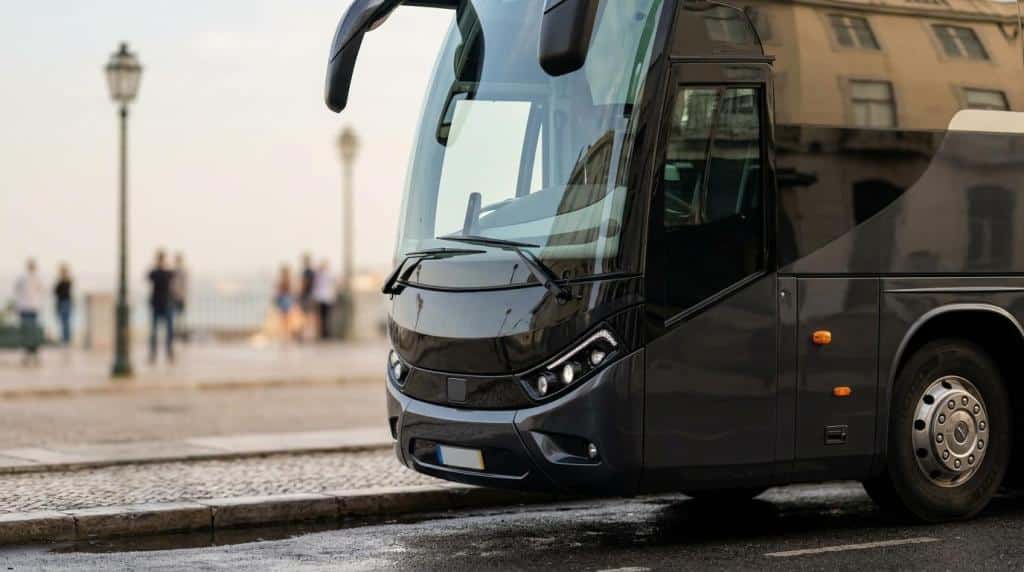
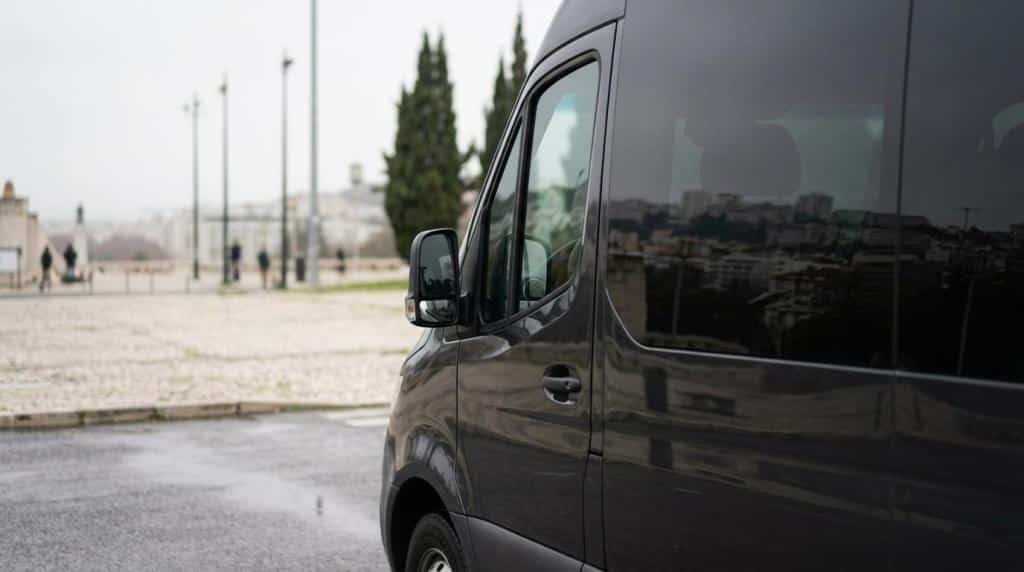
Choosing the right vehicle for group transport in Portugal is rarely about size alone. A coach may look like the obvious answer for a large party, while a minibus can seem the practical choice for smaller numbers, yet the best fit depends on route, luggage, comfort expectations, parking access, and the rhythm of the day.
That matters even more in Portugal, where one trip might move from a motorway outside Lisbon to a hotel entrance in Porto, then on to a historic centre with tighter streets and stricter access. A smart transport plan starts with the shape of the group, not just the headline seat count.
Choosing between coach hire and minibus hire in Portugal
The first question is simple: how many people are travelling, and how much space do they really need? In Portugal, a minibus will often suit groups from around 8 to 30 passengers, while a coach is usually the stronger choice from roughly 30 seats upwards. That broad divide helps, but it is not the whole story.
Luggage can change the answer quickly. A group of 18 with cabin bags may travel very comfortably by minibus. A group of 18 with large suitcases, pushchairs, sports equipment, or event materials may be better served by a larger vehicle, even though the seat count suggests otherwise.
A coach also starts to make sense when everyone needs to stay together on the same schedule.
| Feature | Minibus hire in Portugal | Coach hire in Portugal |
|---|---|---|
| Typical capacity | 8 to 30 passengers | 30 to 60+ passengers |
| Best for | Small and medium groups, city transfers, short tours | Large groups, long-distance touring, events |
| Luggage space | More limited | Large underfloor compartments |
| Access on narrow roads | Better | More restricted |
| Comfort on longer routes | Good basic comfort | Stronger onboard comfort |
| Cost pattern | Lower total hire cost | Lower cost per passenger when full |
| Parking needs | Easier | More planning required |
When people compare vehicles, they often focus only on whether everyone fits. A better test is whether everyone fits comfortably, with the right amount of luggage space, and without creating a difficult boarding or parking situation along the route.
Minibus hire in Portugal for flexibility and access
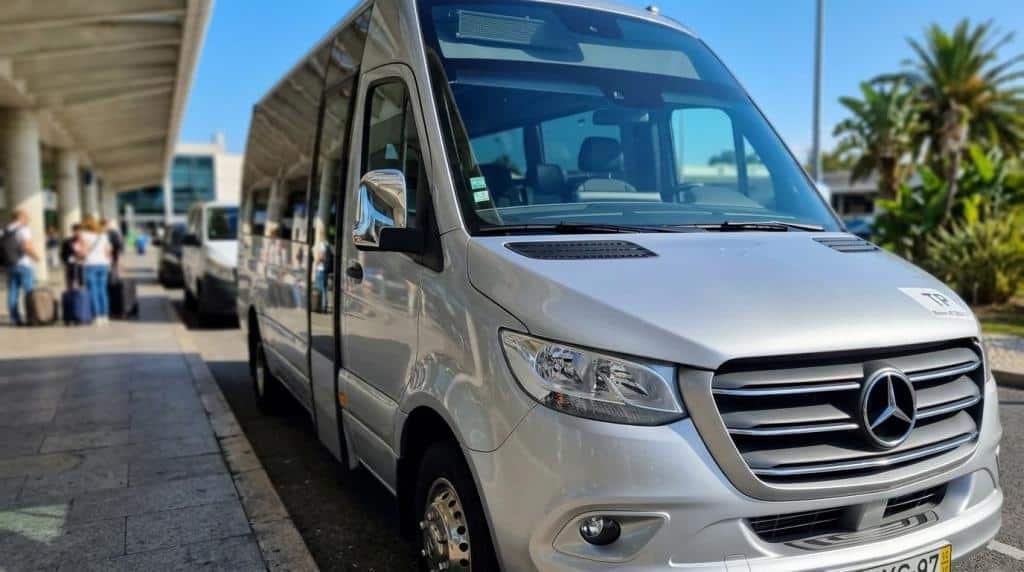
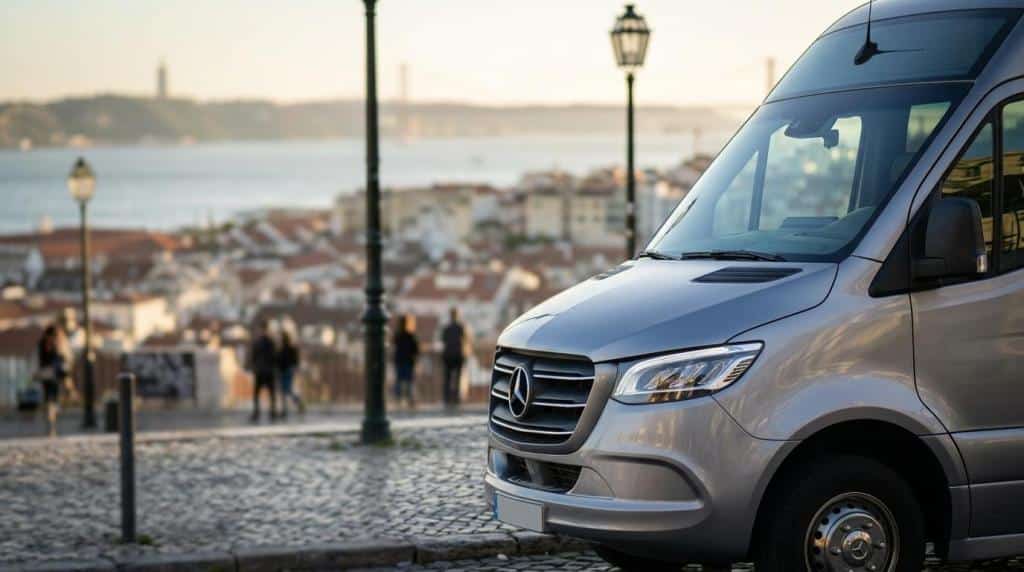
A minibus is often the strongest option when the day involves movement through tighter urban areas or smaller rural roads. This is especially useful in places where access can be awkward for larger vehicles, including parts of Lisbon, Porto, Sintra, and various inland villages where turning space and parking can be limited.
That flexibility is valuable for airport transfers, wedding guest transport, family groups, school outings, winery visits, and corporate movements where the group wants a private vehicle without paying for unused seats. It also tends to work well when the programme includes several stops close together.
Minibuses are popular because they bring a strong balance between comfort and agility. They are large enough to keep a group together, yet small enough to handle routes that may be inconvenient for a full-size coach.
After reviewing the route, these are the situations where a minibus often stands out:
- Short city transfers
- Family and friends travelling together
- Hotel-to-venue shuttles
- Scenic routes with tighter access
- Groups with moderate luggage
- Half-day and hourly hire
There is also a practical booking advantage. Minibus hire is often available for shorter durations, which can be helpful for airport collections, evening events, and short private charters around Lisbon or other major Portuguese cities.
Coach hire in Portugal for larger groups and longer distances
When the group is larger, a coach quickly becomes the better operational choice. One vehicle, one driver team arrangement, one departure time, one luggage plan. That simplicity is valuable for conference travel, school groups, cruise excursions, religious groups, sports teams, and large tours moving across Portugal or into Spain.
A coach tends to feel more settled on longer routes. Passengers have more room to relax, luggage can be stored properly below, and the overall experience is usually better suited to full-day travel. If the plan includes Lisbon to Porto, the Algarve, Fátima, the Douro Valley, or a multi-stop tour over several days, a coach often brings a stronger balance of comfort and efficiency.
This is where per-passenger value starts to matter. A coach costs more to hire than a minibus in total terms, yet once a larger group fills the seats, the cost for each passenger may be very attractive. That is why coach hire in Portugal is often the right commercial decision for travel agencies, event planners, and group organisers trying to keep everyone on one vehicle.
A well-chosen coach can also reduce admin. There are fewer moving parts, fewer chances of one vehicle being delayed while another arrives separately, and less risk of splitting the group across different schedules.
Cost of coach hire Portugal versus minibus hire
Price is always part of the decision, though it should be read in context. A minibus usually has the lower hourly or trip cost, which makes it appealing for smaller groups and shorter movements. A coach carries a higher base price, but that can work in your favour when seat occupancy is strong.
Indicative market pricing in Portugal often shows this pattern clearly. A minibus may be noticeably cheaper on an hourly basis, while a coach becomes more cost-effective once the group is large enough that two minibuses would be required. At that point, a single coach can simplify the day and improve the price per head.
The real comparison is not coach versus minibus in isolation. It is one vehicle versus the total transport solution needed for your group.
A few cost checks help avoid an expensive mismatch:
- Seat use: paying for empty seats on a coach may not make sense for a smaller group
- Vehicle split: two minibuses can cost more than one coach and create extra coordination
- Trip length: longer distances often favour the coach on a per-passenger basis
- Waiting time: hourly hire can affect short urban bookings more than direct transfers
- Luggage volume: needing a larger vehicle for bags is still cheaper than adding another vehicle later
For organisers, the most useful quote is one built around the actual programme, not just a headline rate. Departure points, waiting time, parking, tolls, route complexity, and overnight positioning can all affect the total.
Comfort, luggage and accessibility in Portugal group transport
Comfort expectations vary by group. A school transfer has one set of priorities. A corporate roadshow or private touring party has another. In general, coaches are better prepared for longer periods onboard. They often provide reclining seats, air conditioning, substantial luggage capacity, and in many cases a stronger touring setup overall.
Minibuses are comfortable too, especially for shorter routes and regional day trips, but they are usually simpler. That is rarely a problem for airport runs, half-day movements, or local touring. It only becomes more significant when the day is long and passengers expect more personal space or added onboard features.
Luggage deserves more attention than it usually gets. Groups often underestimate how quickly bags fill a vehicle, especially on airport routes or touring programmes with hotel changes. If everyone has a large suitcase, it is sensible to ask about luggage space before confirming the seat plan.
Accessibility should be raised early in the booking process. Some vehicles can be prepared or selected for passengers with reduced mobility, though availability depends on fleet configuration and notice period. Asking early gives the operator room to match the right vehicle and plan boarding properly.
When comfort and practicality are priorities, the key questions are often these:
- Trip duration: under two hours or a full touring day?
- Passenger profile: children, senior travellers, executives, mixed ages?
- Baggage load: light hand luggage or full holiday suitcases?
- Mobility needs: step access, walking aids, wheelchair space?
- Onboard expectations: basic transfer comfort or longer-distance touring comfort?
Portugal road access, parking and legal checks for private hire
Portugal is an excellent country for private group transport because the motorway network supports efficient long-distance travel, while many destinations remain close enough for day trips. Still, not every road or city access point suits every vehicle type.
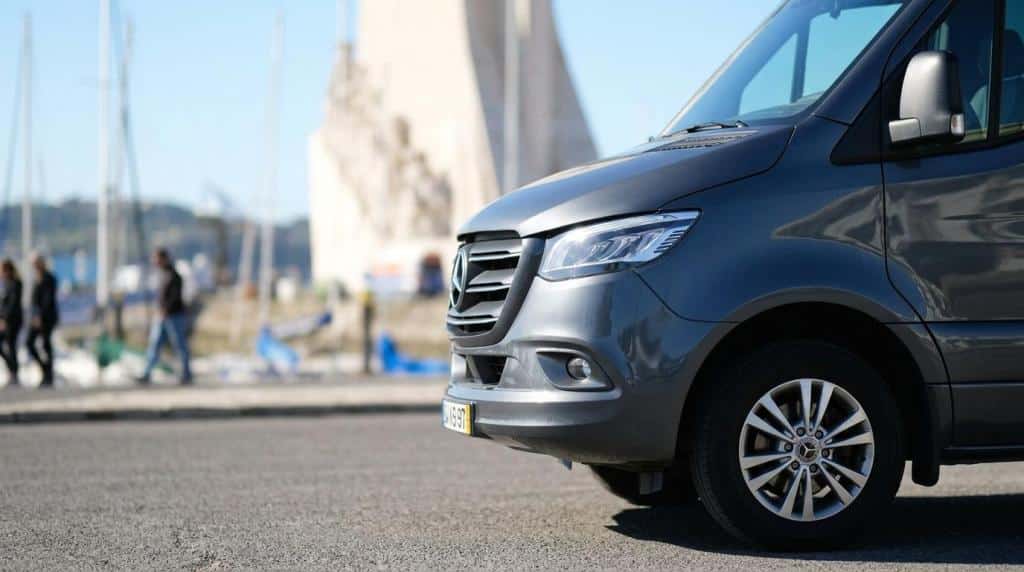
Historic districts and scenic routes often favour smaller vehicles. In older city areas, coach parking may be restricted or located away from the entrance your group wants to use. A minibus can often get closer, which may save time and reduce walking. On the other hand, major intercity routes strongly suit full-size coaches, especially when large groups need direct, efficient travel.
There is also a legal side that should never be overlooked. Reputable passenger transport in Portugal should be operated by properly licensed companies using correctly qualified drivers and insured vehicles. That applies whether the booking is for a coach or a minibus. For the client, this should be routine, not an afterthought.
Environmental performance also enters the picture. One coach carrying a large group is often the better choice per passenger than several smaller vehicles doing the same work. For smaller groups, a minibus can avoid unnecessary fuel use and keep the transport plan proportionate to the booking.
Booking coach or minibus hire in Portugal with the right fleet
The best bookings start with clear information. Passenger count, luggage, pick-up address, destination, timings, route shape, and any access concerns all help the operator recommend the right vehicle from the start. Without those details, it is easy to receive a quote that fits the numbers on paper but not the day itself.
That is why many private operators work through a quote request rather than instant online checkout. A tailored response allows the route, duration, and vehicle size to be matched properly. It is a useful approach for custom tours, airport transfers, corporate schedules, school movements, and cross-border trips into Spain.
For groups travelling with a provider that operates a broad fleet, there is more room to choose well. A fleet spanning 8, 16, 19, 27, 37, 43, and 53 seats gives organisers far more control than a one-size-fits-all offer. It also makes it easier to build tailored programmes across Portugal, from Lisbon departures to nationwide touring.
When reviewing your options, it helps to ask about:
- fleet sizes available
- luggage capacity
- route suitability
- driver inclusion
- accessibility options
- Portugal-wide and Spain route coverage
A good transport plan feels calm before the day begins. Once the group size, route style, comfort level, and luggage needs are clear, the choice between coach hire and minibus hire in Portugal becomes much easier to make.