Portugal rewards groups that plan with intent. It is one of Europe’s more accessible destinations for shared travel, yet costs can still drift upwards when transport, meals, accommodation, admissions, and timing are treated as separate decisions instead of one joined-up plan.
The strongest savings rarely come from a single dramatic discount. They come from smarter structure: tighter routing, shoulder-season dates, realistic vehicle sizing, group-rate rail where it fits, and accommodation that matches the group profile rather than the brochure image.
For group organisers, that is good news. A well-built Portugal itinerary can feel generous without becoming expensive.
Hidden cost drivers in group tours Portugal
When group budgets go off course, the cause is often not the obvious headline items. Hotel rates matter, of course, but hidden waste often comes from small inefficiencies repeated across several days: scattered pick-up points, long dead-mile transfers, individual ticket purchases, poorly timed meals, and paying for a larger vehicle than the group actually needs.
Portugal makes these choices visible very quickly. A day in Lisbon built around walkable districts and public transport can be remarkably cost-effective. The same day becomes more expensive when the group zigzags across the city, waits in queues, or adds a private vehicle for segments that do not need one.
| Cost area | Where overspend happens | Smarter approach |
|---|---|---|
| Transport | Extra hours, oversized vehicles, poor routing | Cluster stops, right-size the vehicle, use rail when practical |
| Accommodation | Peak dates, premium locations, unsuitable room types | Stay in shoulder season, compare centrality with actual need |
| Attractions | Individual entry tickets bought on the day | Use city cards or pre-booked group access where it pays |
| Meals | Tourist-centre à la carte dining | Fixed menus, lunch outside prime zones, breakfast included |
| Timing | Late booking, fragmented supplier decisions | Set dates and route early, then request quotes |
A lower budget does not have to mean a thinner experience. It usually means a cleaner plan.
Itinerary geography for cheaper group tours Portugal
The shape of the itinerary has a direct effect on cost. If a group spends one day in Belém, another in Sintra and Cascais, and another in central Lisbon, transport becomes predictable and efficient. If those same places are mixed into a single day, vehicle time rises, staff coordination becomes harder, and the group loses hours that have already been paid for.
This matters even more outside the main cities. In Alentejo, central Portugal, or smaller heritage towns, the order of visits can decide whether a minibus is used brilliantly or badly. Neighbouring sites should sit together in the programme. Overnight stops should reduce backtracking. Airport arrival and departure times should shape the whole route, not just the first and last transfer.
A clear geographic structure also improves the mood of the trip. People spend less time waiting, less time loading luggage, and more time actually enjoying Portugal.
Some of the simplest route clusters are easy to spot:
- Belém monuments and museums
- Sintra with Cascais
- Porto historic centre with Vila Nova de Gaia
- Évora with nearby Alentejo visits
- Braga with Guimarães
Public transport or private coach for Portugal groups
Not every group movement should be handled in the same way. Portugal gives organisers a useful mix of options, and the cheapest choice depends on the route, not on habit.
For city-focused itineraries, public transport can cut costs sharply. CP offers group conditions on several rail services, and Lisbon and Porto are both strong candidates for rail- and metro-based planning. A group staying in Lisbon and visiting Sintra may spend far less on urban rail than on full-day private hire, especially if the day is station-friendly and luggage is not involved. The same logic often applies to Porto with Braga or Guimarães.
Private transport makes better financial sense when the route is rural, time-sensitive, multi-stop, or mobility-sensitive. A coach or minibus may cost more on paper than train tickets, yet save money across the day by removing missed connections, reducing walking distances, and avoiding the need for extra overnight stays. That is often the case for school groups, senior groups, corporate schedules, airport transfers, or inland tours.
The right question is not, “Is private transport cheaper than public transport?” The right question is, “Which parts of this itinerary are expensive when we account for time, comfort, luggage, and missed efficiency?”
| Route type | Usually best value | Why |
|---|---|---|
| Lisbon and nearby rail-linked visits | Public transport or mixed model | Low ticket cost, strong connections |
| Porto urban and nearby heritage cities | Public transport or mixed model | Good rail access, compact sightseeing |
| Airport transfer for medium or large group | Private minibus or coach | One coordinated move, simpler luggage handling |
| Rural or multi-stop day tour | Private transport | Better timing, less wasted travel |
| Mixed-mobility group | Private transport | Lower physical strain, tighter timing |
Shoulder season dates for cheaper Portugal group travel
Date choice changes almost everything. Spring and autumn often produce the best balance of value, comfort, and availability for group tours in Portugal.
Accommodation rates are usually softer outside the height of summer, and transport providers have more room to offer practical solutions. Attractions feel less pressured. Restaurants are easier to pre-book for larger parties. Even small savings in each category add up quickly across a group of 20, 30, or 50 travellers.
This is especially true when the itinerary includes places that remain rich and appealing all year, from Coimbra and Tomar to Évora, Elvas, Marvão, or inland Alentejo towns.
Accommodation choices for budget-friendly group tours Portugal
Accommodation should match the purpose of the trip. A student group, sports group, or cultural association does not need the same room layout as a premium incentive group. When organisers are honest about the group profile, better savings become possible.
Portugal offers several useful routes here. Youth hostels and group programmes can work very well for younger travellers, educational travel, and budget-focused tours. In many cases, they bring the extra advantage of simpler room allocations and optional meal plans. That matters because labour-saving logistics often protect the budget just as much as the room rate itself.
For adult leisure groups, the cheapest hotel is not always the best-value hotel. A property slightly outside the most expensive centre may reduce room cost without adding major transport expense, provided the route is planned properly. What matters is the full cost picture.
A practical filter helps:
- Student and youth groups: hostels, multi-bed rooms, half-board or full-board options
- Corporate and event groups: business hotels with efficient coach access and breakfast included
- Senior groups: accessible hotels with lifts, easier arrivals, fewer long walks
- Cultural touring groups: secondary cities or inland towns with lower nightly rates
City cards and bundled admission for Lisbon and Porto groups
Bundled passes are one of the easiest savings tools when the itinerary is dense enough. In Lisbon, the Lisboa Card can make strong financial sense when the group will use public transport heavily and visit several included monuments or museums in a short period. Porto offers a similar logic with the Porto Card.
The key is discipline. These cards are not automatically good value. They work best when the timetable is firm and the included sites are genuinely in the programme. If the group only visits one or two paid attractions, individual tickets may be cheaper. If the group has three museum visits, urban transport, and a monument entry already planned, the numbers often move in the other direction.
Group meals that protect the budget
Food can either stabilise the budget or unsettle it quickly. Large groups ordering individually in prime tourist districts often spend more than expected and lose valuable time waiting for service, split payments, and late departures.
Pre-booked group menus are often the better answer, especially at lunch. As Trustevent notes in its breakdown of budget drivers for corporate events, locking prices and courses in advance tends to curb overruns and keeps large groups moving on time. They create spending certainty, keep the day moving, and make it easier to choose restaurants that can actually handle the party well. Breakfast included with accommodation is another quiet but powerful saver, particularly on multi-day tours.
A few meal policies usually work well:
- Fixed-price lunch menus
- Breakfast included where possible
- One free-choice meal instead of three
- Timing: lunch slightly earlier or later than the peak rush
- Location: dine just outside the busiest tourist strips
- Choice: keep one vegetarian and one classic local option pre-selected
Right-sized vehicles for airport transfers and rural touring in Portugal
Vehicle size deserves more attention than it usually gets. Paying for empty seats is one of the simplest ways to overpay on ground transport.
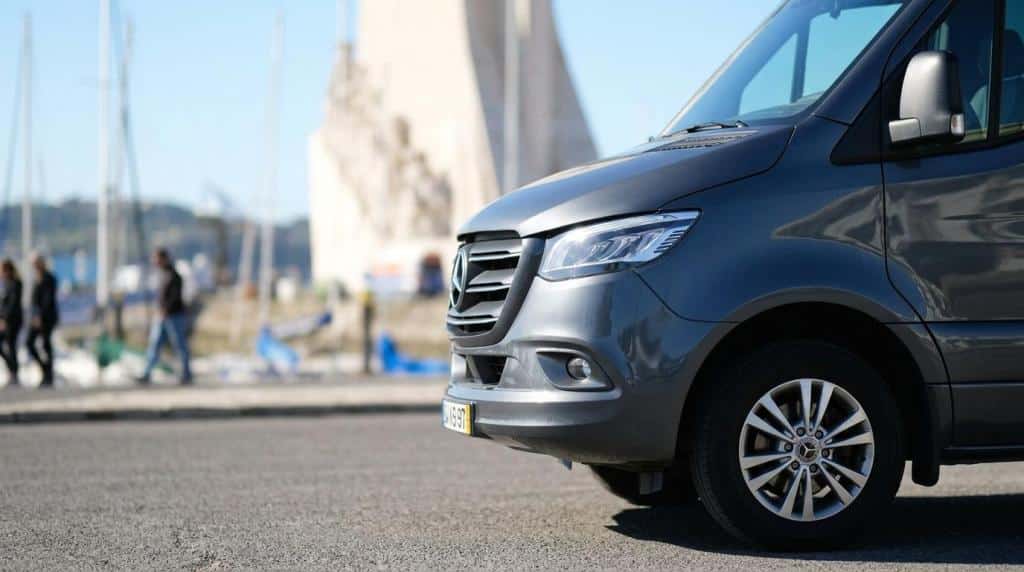
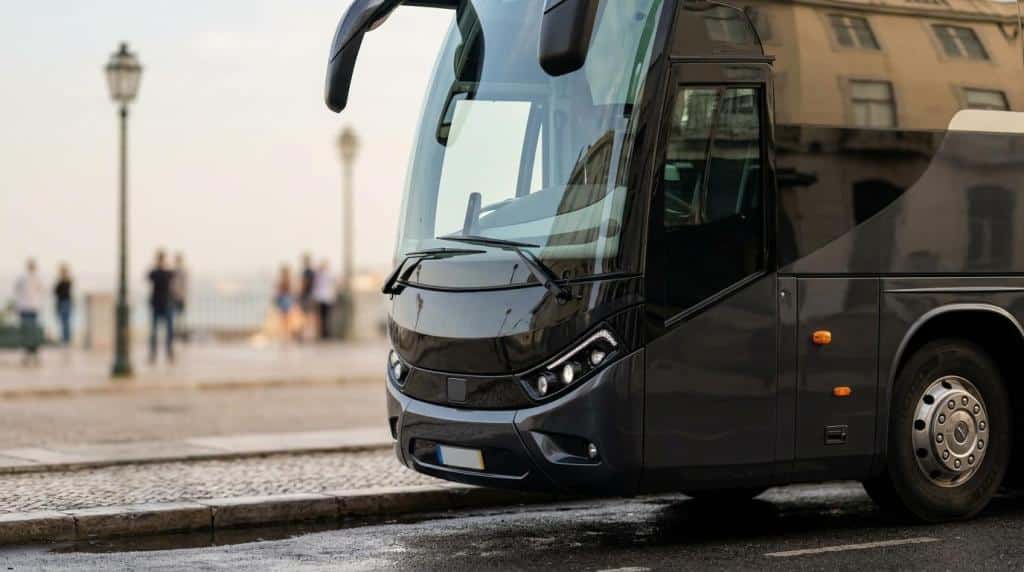
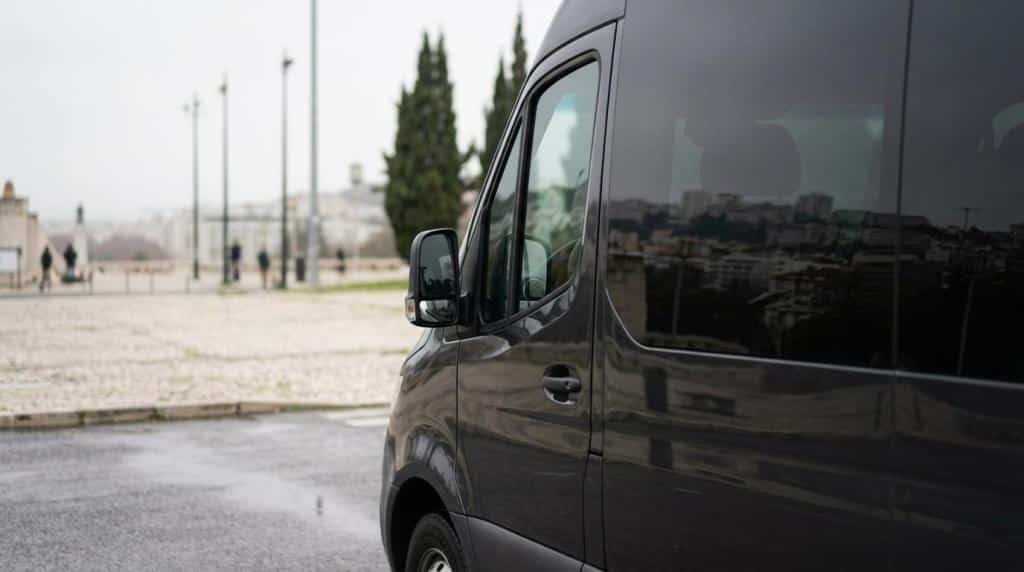
For small and mid-sized groups, a minibus can be far more economical than a full coach, while still offering the comfort and luggage capacity needed for tours and transfers. For larger parties, a coach becomes the sensible option, though even then it helps to confirm the real passenger count rather than build the plan around a rough estimate.
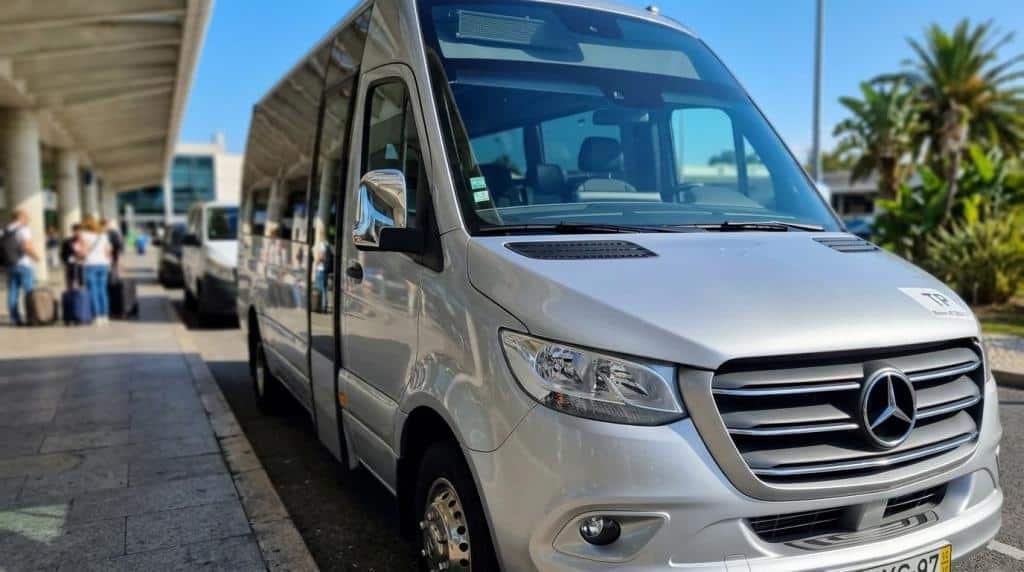
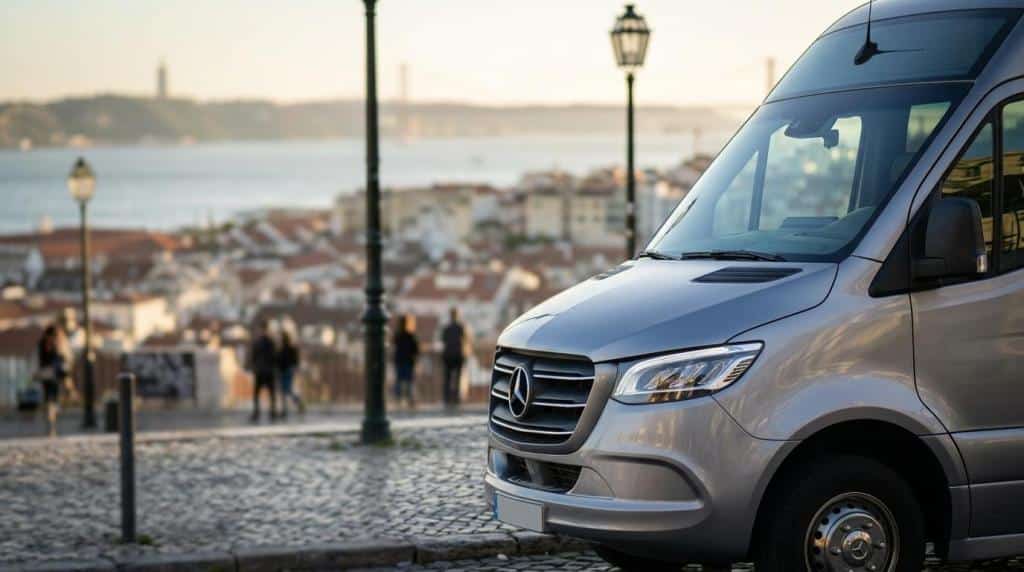
This is where a transport specialist can save money without lowering standards. Aerocoope operates buses and minibuses with driver across Portugal, with fleet sizes from 8 to 55 seats. That range matters because the right vehicle can be matched to the group rather than the group being pushed into a standard format. For airport transfers, school trips, private charters, or inland tours, that flexibility can keep the transport line of the budget under control.
It is also useful to remember how transport pricing is typically shaped. Time and distance matter. So do parking needs, waiting time, luggage handling, and the number of pick-up points. A shorter, tighter brief usually produces a cleaner quote.
Questions to settle before requesting transport quotes for Portugal groups
The best quote is usually the result of the best brief. When organisers answer a few operational questions early, transport planning becomes much more precise.
- Passenger count: confirmed number, not a rough ceiling
- Luggage profile: hand luggage only, standard suitcases, or sports equipment
- Pick-up pattern: one meeting point or multiple hotel stops
- Route shape: direct transfer, day tour, or multi-day circuit
- Timing: exact flight times, visit windows, and meal stops
If the group is travelling across Portugal, it also helps to decide which days truly need private transport and which can rely on rail, metro, or walking. A mixed model often gives the strongest result: public transport where the network is strong, private vehicles where flexibility saves the day.
That is the real opportunity with group travel in Portugal. Costs can come down without shrinking the experience. When the route is compact, the dates are chosen well, and each transport decision fits the task, the budget starts working much harder for the group.