Portugal remains one of the most appealing destinations for UK groups, and the reasons are easy to see. Short flight times, strong year-round demand, excellent regional variety, and a travel style that suits everything from corporate events to multi-generational holidays all make it a natural choice. Yet the way groups actually book their trips is rarely simple or fully packaged.
For many organisers, the process is now a blend of online convenience and local expertise. Flights may be booked direct with airlines, accommodation may come through a hotel website or online platform, and the in-country transport often sits with a specialist provider on the ground. That pattern says a great deal about how Portugal travel services are chosen, combined, and trusted by UK groups.
UK group travel booking patterns in Portugal
Recent travel market data points to a clear reality: UK travel bookings are highly digital, but group travel still leans on people, planning, and specialist support when the itinerary becomes more complex. That is especially true in Portugal, where group movement between airports, hotels, venues, and day-trip destinations can shape the whole experience.
Package holidays still hold a strong place in the UK market, particularly for leisure travellers who want financial clarity and less admin. Yet that does not mean every part of the trip sits inside one booking. Many groups choose a mixed route, keeping flights and accommodation separate from local transport, guided touring, or event logistics.
This is why the booking journey often looks practical rather than uniform. A group organiser may secure airline seats first, confirm hotel room blocks next, and then turn to a Portugal-based operator for the services that require local knowledge and dependable timing.
After that first layer is in place, the usual travel services tend to fall into a familiar pattern:
- Flights
- Accommodation
- Event and conference mobility
- Airport transfers
- Day tours
- Multi-stop coach transport
Why hybrid booking suits UK groups travelling to Portugal
Hybrid booking works because it reflects how groups think. They do not always want one giant package if separate booking gives better flight options, stronger hotel choice, or more control over budgets. At the same time, they rarely want to manage every road movement by themselves once they arrive.
Portugal is particularly well suited to this approach. A group may fly into Lisbon, spend time in Sintra, continue to The Algarve, and still need precise transport throughout. That is where local travel services become central, not as an afterthought, but as the structure that holds the itinerary together.
It also matches current booking behaviour in the UK. Online channels dominate the search and purchasing stage, while direct supplier booking remains very strong. For group organisers, that often means comparing options online first and then working directly with the providers who can actually handle group-specific needs.
| Booking element | Common choice for UK groups | Why it happens |
|---|---|---|
| Flights | Direct airline booking or package | Price comparison, route choice, group fares |
| Accommodation | Hotel direct, OTA, or package | Flexibility, room blocks, payment terms |
| Airport transfers | Local transport operator | Reliability and meet-and-greet support |
| Touring transport | Coach or minibus with driver | Easier coordination across multiple stops |
| Excursions | Specialist local provider | Better fit for timetable and group interests |
That structure is not fragmented by accident. It is a sign of a mature travel market where organisers are comfortable combining channels when it improves the trip.
Portugal destinations that drive demand for group travel services
UK demand is concentrated in a few standout parts of Portugal, and each one creates its own booking pattern.
The Algarve continues to lead for beach stays, golf groups, villa-based holidays, and leisure trips where airport transfer planning matters from the start. Greater Lisbon attracts city-break groups, conference travel, educational trips, and cultural programmes linked with Sintra, Cascais, and Fátima. Madeira brings a different rhythm, with scenic touring, winter sun demand, and organised groups interested in walking, views, and a calmer pace.
Porto and the North also matter more than raw volume sometimes suggests. Wine itineraries, heritage routes, and shorter premium programmes create strong demand for well-planned transport, especially when groups want to move smoothly between hotels, vineyards, and city centres.
One destination may sell the trip, but the route between destinations often defines whether the trip feels effortless.
Ground transport services in Portugal after flights and hotels are booked
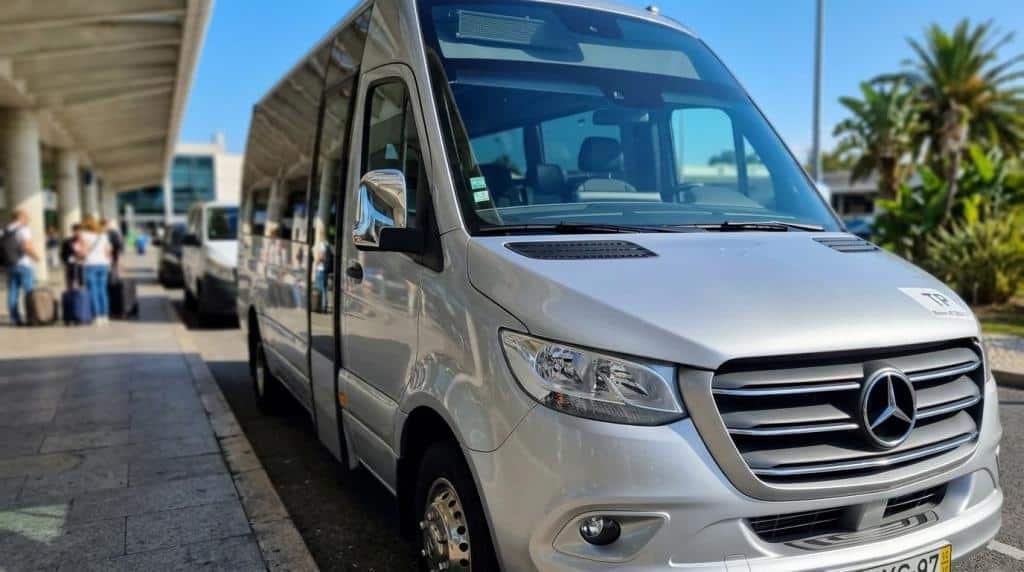
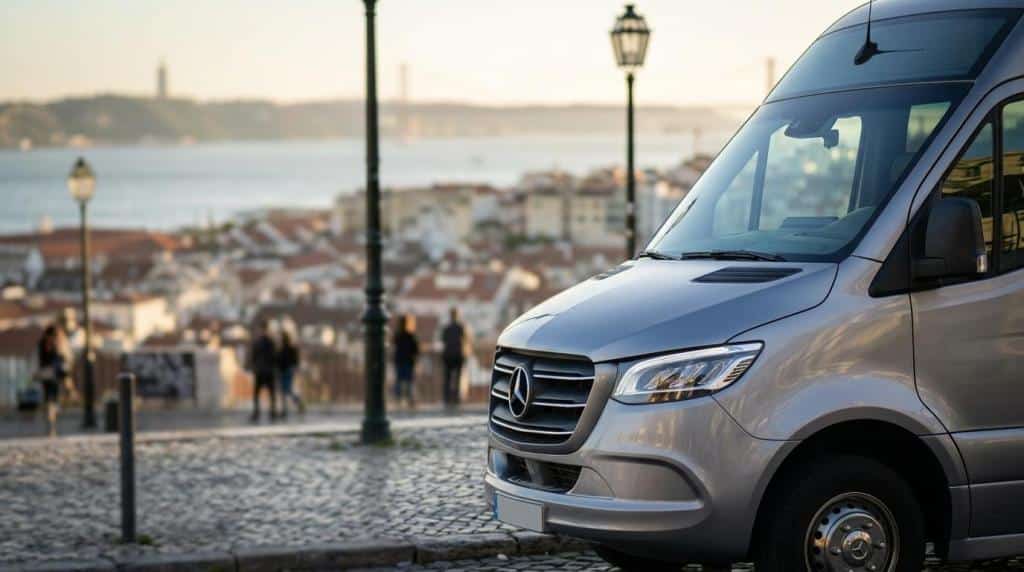
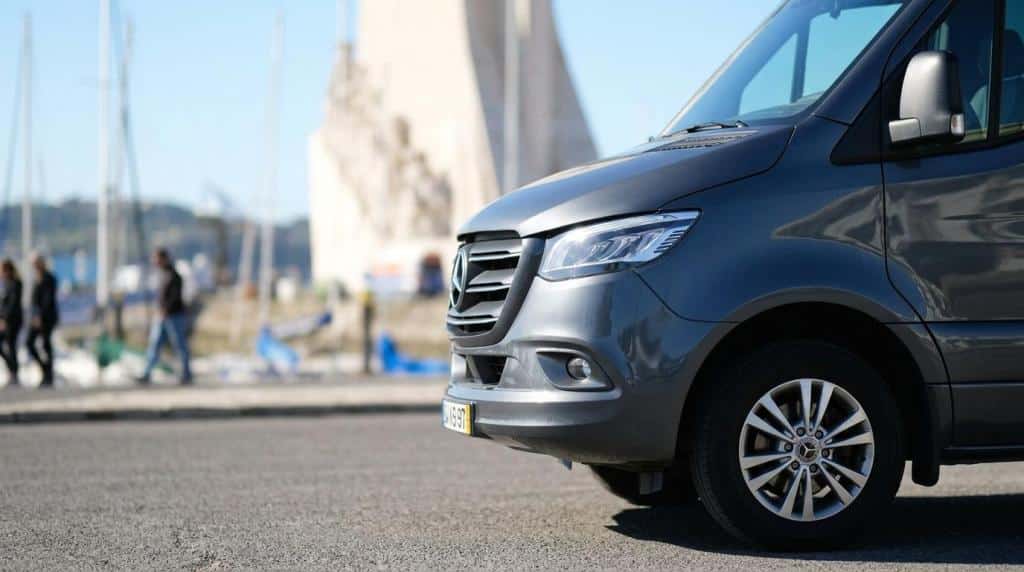
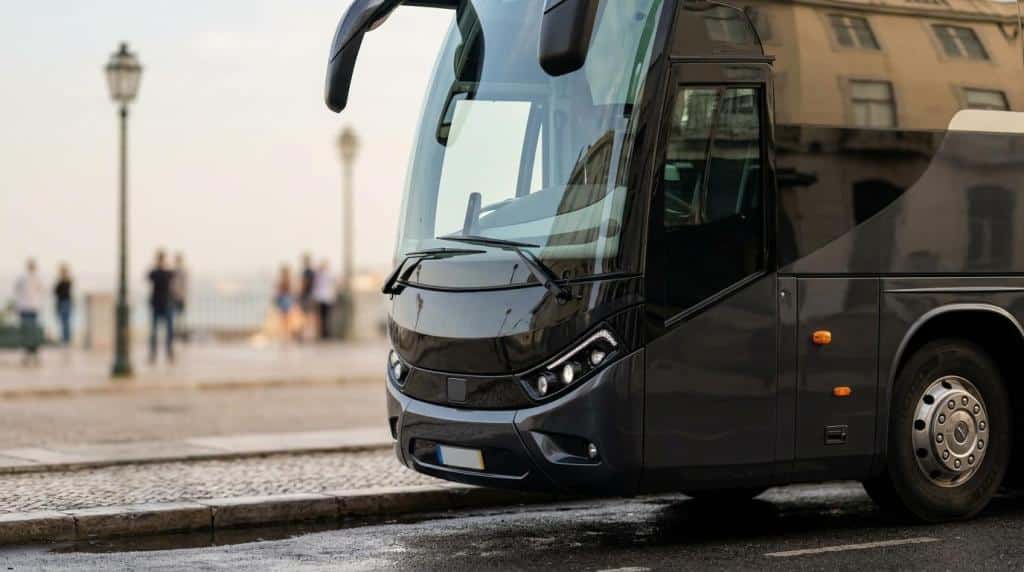
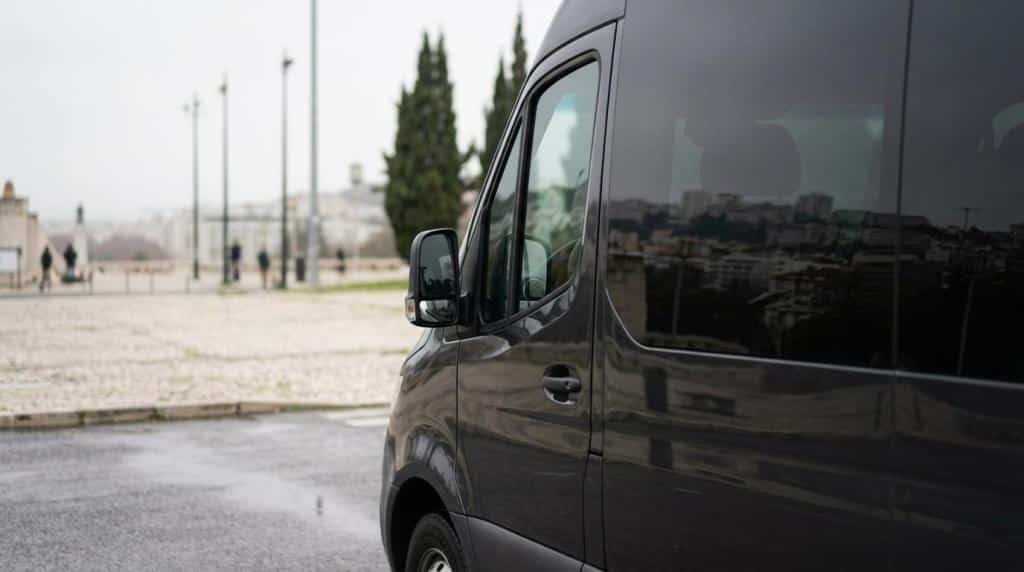
Once flights and accommodation are secured, transport becomes the service that can either simplify everything or create strain. This is why coach and minibus hire with driver remains so relevant for UK groups. It removes the need to coordinate multiple taxis, public transport changes, luggage handling issues, and timing gaps that can disrupt a full programme.
For organisers, that matters far beyond comfort. It helps protect schedules, keeps the group together, and gives a clearer line of responsibility. That is valuable for leisure parties, though it becomes even more important for schools, corporate groups, and event planners.
A Portugal-based operator is often best placed to handle this part of the trip because the service is operational rather than purely transactional. Vehicle size, route design, collection timing, road access, and local conditions all matter. An online comparison site may help with research, but actual group movement depends on execution.
The transport services most often booked separately include:
- Airport transfers: arrival and departure planning for groups with luggage and fixed timings
- Intercity travel: coach or minibus movement between Lisbon, Porto, Algarve, Fátima, or other stops
- Event transport: scheduled shuttles for meetings, incentives, conferences, and dinners
- Private touring: driver-led routes built around the group’s own programme
- Multi-day support: a dedicated vehicle for groups moving across several regions
What UK group organisers value in Portugal travel services
Price matters, of course, but price alone rarely wins a group booking. Organisers are usually balancing value, timing, trust, and the amount of work they will need to carry themselves. When one person is coordinating ten, twenty, or fifty travellers, reliability is not a luxury. It is part of the booking decision.
That is why established local operators have a strong role in the Portugal travel market. A provider with a broad fleet, driver-included service, and the ability to shape transport around the group’s schedule offers something very different from a generic booking platform. It is less about selling inventory and more about making the itinerary function.
For UK groups, the most attractive qualities tend to be consistent across travel types:
- Clear communication: fast replies, simple quoting, and practical answers
- Fleet range: vehicles that fit anything from a small family group to a full coach party
- Custom planning: support for tailored routes rather than rigid templates
- Local knowledge: realistic timing, sensible routing, and familiarity with major destinations
- Operational confidence: punctual service and clear driver-led logistics
A company like Aerocoope fits naturally into this part of the market. Its offer is centred on buses and minibuses with driver, tailored group programmes, and nationwide coverage in Portugal, with the ability to support routes into Spain as well. For UK organisers who already have flights and hotels in place, that fills a very practical gap.
Group size changes the booking model
Most UK visitors to Portugal still travel in small parties, especially couples, small families, and friend groups. Yet the needs of larger groups carry far more logistical weight. Once numbers rise, even a simple airport transfer becomes a meaningful planning task.
A group of six to nine may still book fairly informally, often combining a villa or apartment stay with pre-booked minibus transport. A group of ten or more usually moves into a different category. Rooming lists, flight schedules, luggage volume, pick-up coordination, and day-trip timing all become more structured. At that stage, private group transport is often the sensible choice rather than the premium one.
The vehicle matters, though the planning behind it matters more. An 8-seat minibus suits a compact private party. A 16 to 27-seat vehicle can work well for school groups, golf parties, or event teams. Larger coaches are better for tours, conferences, and any movement where the whole group must arrive together and on time.
Booking timelines for UK groups visiting Portugal
Lead times vary, but groups usually book earlier than individual travellers. Summer holidays, school calendars, large events, and popular shoulder-season dates all increase the need to secure capacity well ahead of travel. September is especially strong for Portugal, which means transport and accommodation can tighten even outside the traditional peak of July and August.
A practical rule is simple. The more people involved, and the more fixed the timetable, the earlier the booking should happen. Corporate groups with event dates often move several months ahead. School and university trips may plan even further out. Smaller leisure groups can stay more flexible, though the best transport options still benefit from early reservation.
A useful planning rhythm often looks like this:
- Confirm dates and group size
- Secure flights and accommodation
- Book airport transfers and key transport legs
- Add touring, excursions, or event shuttles
- Review timings again close to departure
Local Portugal travel services give groups more control
There is a quiet advantage in booking local transport well. It gives the organiser more freedom to shape the trip around the group, rather than forcing the group to fit a rigid timetable. That can mean a direct transfer instead of several separate cars, a full-day vehicle for a touring route, or a multi-day programme built to suit the pace of the travellers.
It also supports better experiences on the ground. Groups spend less time waiting, less time trying to reassemble in busy places, and less time managing problems that should have been solved before arrival. That is where professional transport services stop being a background item and become part of the quality of the trip itself.
For UK groups coming to Portugal, the strongest booking strategy is often neither fully packaged nor fully self-managed. It is selective, practical, and confident: book the parts that are easy to compare online, then trust the local specialists for the services that need real coordination. In Portugal, that approach tends to serve groups very well.